How Technology Supports Smart Workplaces

Technology significantly enhances smart workplaces by fostering collaboration, productivity, and employee well-being. Cloud computing enables remote access to resources, allowing teams to work seamlessly from various locations. AI-driven tools minimize human error and optimize processes, while innovative office designs promote mental health. Communication technologies further bridge geographical gaps. Understanding these components reveals their collective impact on modern work environments and raises questions about future developments in this evolving landscape.
The Role of Cloud Computing in Enhancing Collaboration
As organizations increasingly embrace remote and hybrid work models, cloud computing emerges as a pivotal technology that enhances collaboration among teams.
It facilitates seamless remote access to shared resources and documents, allowing employees to work together efficiently, regardless of location.
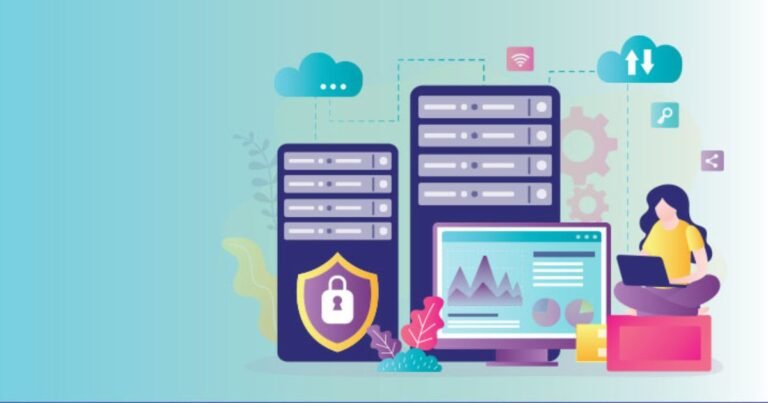
Additionally, robust data security measures protect sensitive information, empowering teams to collaborate freely while ensuring compliance and safeguarding organizational assets in a digital landscape.
AI-Driven Tools for Improved Productivity
The integration of cloud computing has set the stage for the adoption of AI-driven tools that significantly enhance workplace productivity.
These tools leverage automation benefits and advanced data analytics to streamline processes, reduce human error, and optimize resource allocation.
Smart Office Designs for a Better Work Environment
While many organizations focus on technology upgrades to boost productivity, the design of office spaces plays a crucial role in enhancing employee well-being and collaboration.
Smart office designs utilize open floorplans to foster communication and teamwork, while biophilic design incorporates natural elements to improve mental health.
These strategies create environments that empower employees, promoting both freedom and creativity in their work.
Integrating Communication Technologies for Seamless Interaction
Smart office designs not only enhance physical spaces but also set the stage for integrating advanced communication technologies that facilitate seamless interaction among employees.
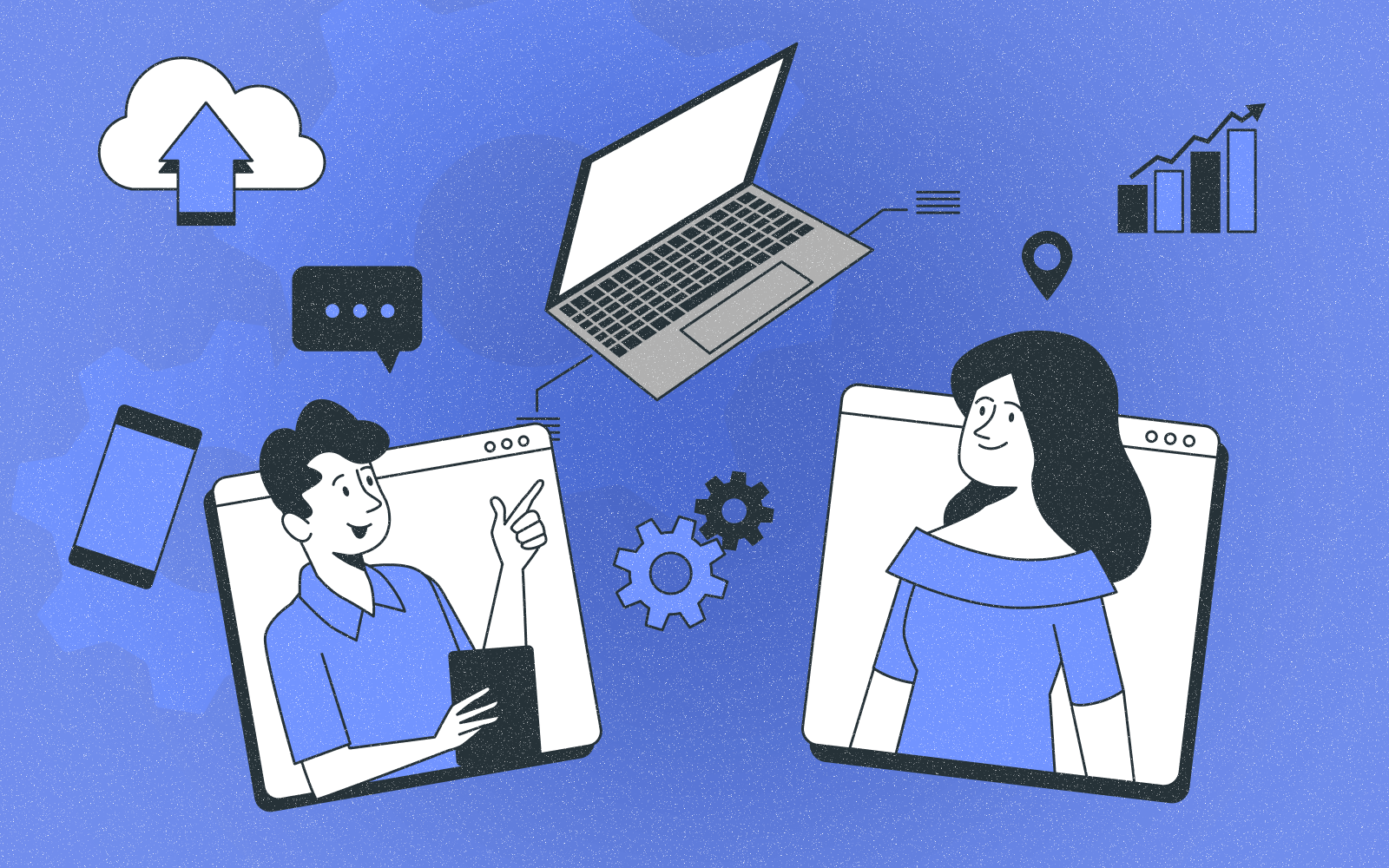
Video conferencing tools enable real-time collaboration, bridging geographical gaps, while instant messaging platforms foster quick exchanges of ideas.
This integration not only enhances productivity but also empowers employees to communicate freely, promoting a dynamic and responsive workplace culture.
Conclusion
In conclusion, the integration of technology in smart workplaces is not merely a trend but a necessity for fostering collaboration and productivity. The theory that a technologically advanced environment enhances employee well-being holds true, as evidenced by the effectiveness of cloud computing, AI tools, and innovative office designs. As these elements converge, organizations can create a more dynamic work culture that not only meets the demands of modern business but also prioritizes the holistic needs of their employees.